If you’re looking for a recap of the horror movie hit Weapons and have no desire to watch it, might we suggest checking in with Nadine Herman? Sure, she hasn’t seen the movie, but she’s read the Wikipedia page and has already passed her online findings down to other horror abstainers.
“I have friends who won’t see the movie, won’t read the plot, but then ask me to tell them what the movie’s about,” explains the 30-year-old horror movie “fan” out of New York. “So I’m giving them like a tertiary retelling of a movie I’ve never seen. It’s like a camp tale or something. Five degrees away.”
One might think this odd; however, Nadine is far from the only culture obsessive with a horror movie aversion who still needs to know what happens between jump scares and blood-curdling screams. In fact, she’s a member of an ever-growing community that won’t watch Weapons and its ilk, and instead will just read through the synopses on Wikipedia.
Whether it’s due to a desire to be in the know, an unyielding need to keep up on all sorts of culture, or just a tenacious curiosity to see what happens after squinting through a trailer, Wikipedia has become a haven of sorts for those who need to know horror movie plots.
Always be on your toes, as someone you know — it could even be a family member or friend — might be reading movie summaries online. A terrifying thought. So, I spoke with horror movie Wikipedia-ites to see why they’re so obsessed with reading up on movies they wouldn’t dare watch.
Why bother reading plot summaries if you’re too afraid to watch the movie?
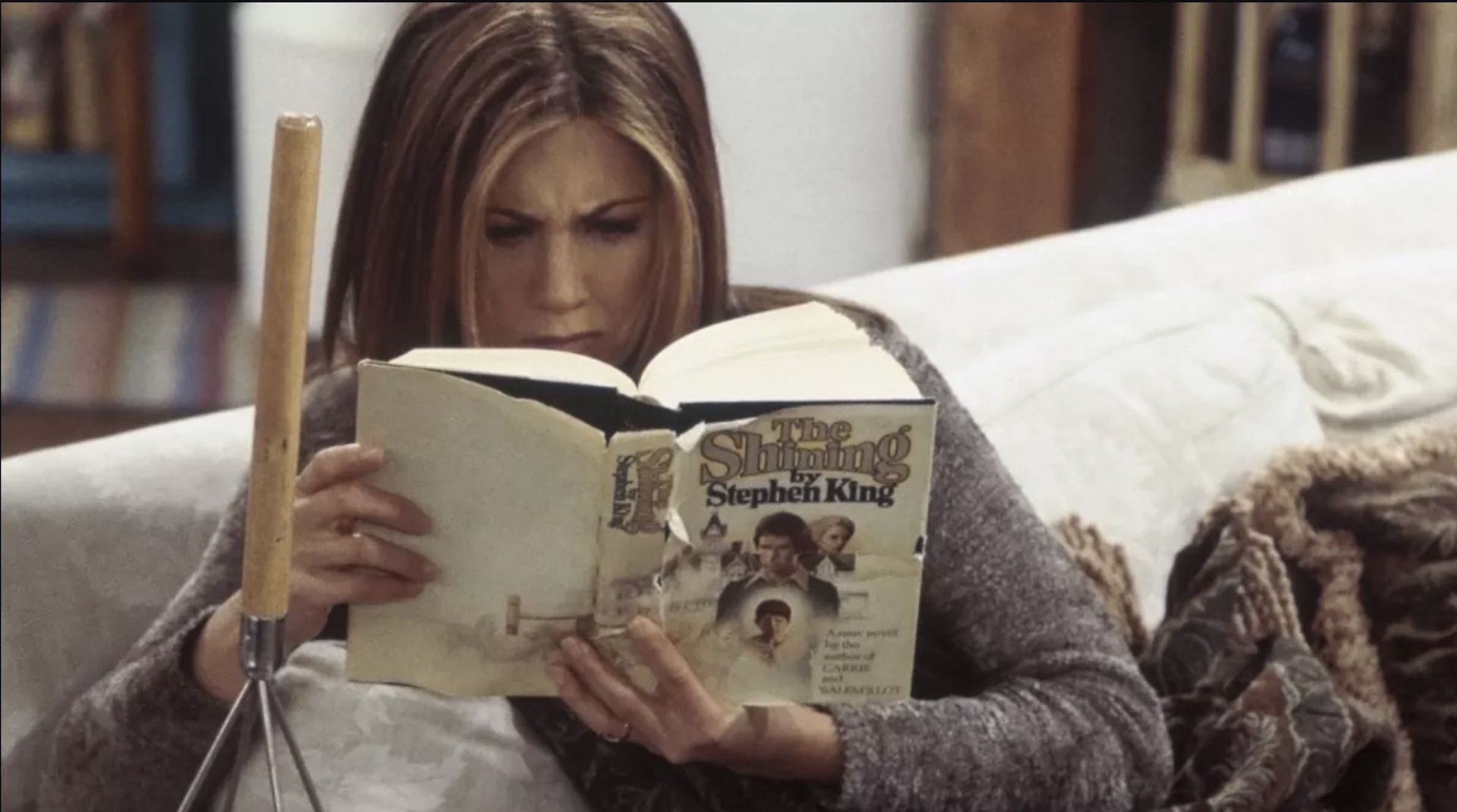
In 2021, entertainment critic and senior writer for The Ringer, Rob Harvilla, made it known that he, too, prefers to read horror synopses over seeing the movies in theaters, and in the ultimate form of self-destructive behavior, reviewed some of the movies that he went out of his way not to see.
He went through the premises, plot coherence, presumed gnarliness, prestige potential, and his favorite plot summary quote. Perhaps the best breakdown of this entire exercise is this passage from the piece: “OK, this is an Indonesian movie that appears to involve a bunch of people being skinned alive, and I have to say this whole project is starting to negatively affect my mood.”
In the time since, Rob has continued in his Wikipedia-horror ways and found that he was far from alone, even hearing from many readers stating that they do the same thing.
“I’m honored to be part of the tribe,” Rob tells me. “Some time in college, I just stopped watching ’em and never started again. And then whenever the Wikipedia plot summary became a viable option, a viable substitute, I just started doing it subconsciously, and then finally I became conscious of it.
“I don’t particularly love jump scares or gore or terror or any of those things. But I think above and beyond all those things, I would rather read a dispassionate plot summary in five minutes versus immersing myself in relentless bleakness for hours.”
Just how big a phenomenon is this?
It’s not just those working in media who find themselves diving into these Wikipedia pages, but all sorts of “culture knowers” needing a fix. There are even weekly podcasts in which one courageous host will describe horror plots to those out of the loop, from the more general Spoilers! to Too Scary; Didn’t Watch — the latter of which has even featured directors like Zach Cregger of Weapons and Barbarian fame breaking down their own movies.
“When I watch scary movies, I tend to believe it too much, and it gets really in my head. It just messes with me, so I avoid them,” says Erica Steward, a 30-year-old horror movie “fan” in Chicago. “I saw The Grudge when I was in high school and then was scared to shower for a week because I thought a hand was gonna come out of the back of my head.”
Along with Wikipedia, Erica’s husband will also break down horror movies for her after seeing them in theaters, often going through the plot points over the walk back to their place. (Oral Wikipedia is still Wikipedia.)
“I think it’s a thing people do because so many people love horror movies. And it’s such a popular genre that when there’s a new good horror movie, it kind of goes viral. And we’ll all get FOMO. We just wanna know what people are talking about and referencing and be a part of the zeitgeist without having to watch said scary movie.”
Luckily, for these Wikipedia vultures, most have never seen Final Destination 3 and the loopy horror of its fatal rollercoaster sequence. That’s for the best, because there’s certainly an overlap in the Venn diagram between those who can’t do horror and those who can’t do the amusement park ride.
“I am not a rollercoaster person! Never in my life have I been a rollercoaster person, seeking that like pit in my stomach feeling,” Nadine exclaimed. “I don’t like that feeling, and I don’t wanna pay to feel horrible. I just don’t wanna walk into a movie experience with the goal of me being scared.”
What are the best horror movies to read?
Even if they’ve never watched the following, those who dive into the Wikipedia pages can still have their “favorites.”
Rob made sure to point out the Final Destination series and Midsommar, but perhaps most notably (for him) the original Speak No Evil: “I eventually went and read that summary, and that was a goddamn moment.” Nadine pinpointed Saw, which she would “never watch in a million years,” and Erica still can’t get Jordan Peele’s Us and the tethered doppelgangers out of her head.
The other (and perhaps wonkiest) part of this entire ordeal is that after reading enough Wikipedia entries, you’re going to start judging the writing and how well they get the plot across. The consensus is a good seven or eight paragraphs, with specific but not-too-specific details, helpful identifiers in terms of characters, and well-reported twists and turns. There’s an art when it comes to building a perfect Wikipedia page, and it’s not impossible that before long, we’ll have reviews of reviews. Nadine even pitched a Letterboxd section for movies that users haven’t watched but have read in-depth plots for. I wouldn’t put it past the constantly-growing film-review app.
While chatting with these horror “fans,” it became clear that some individuals out there won’t even read the Wikipedia pages, finding the straightforward synopses too scary even without the visuals. With no right to judge, Rob and company don’t have any qualms about those who can’t even watch horror in plain text.
“It’s funny that this is now such a commonplace way to experience horror movies, that there are some people who can’t even do this, and we now need somebody to more dispassionately summarize the Wikipedia summary for people who can’t handle the Wikipedia summary,” Rob said. “I empathize completely with that.”