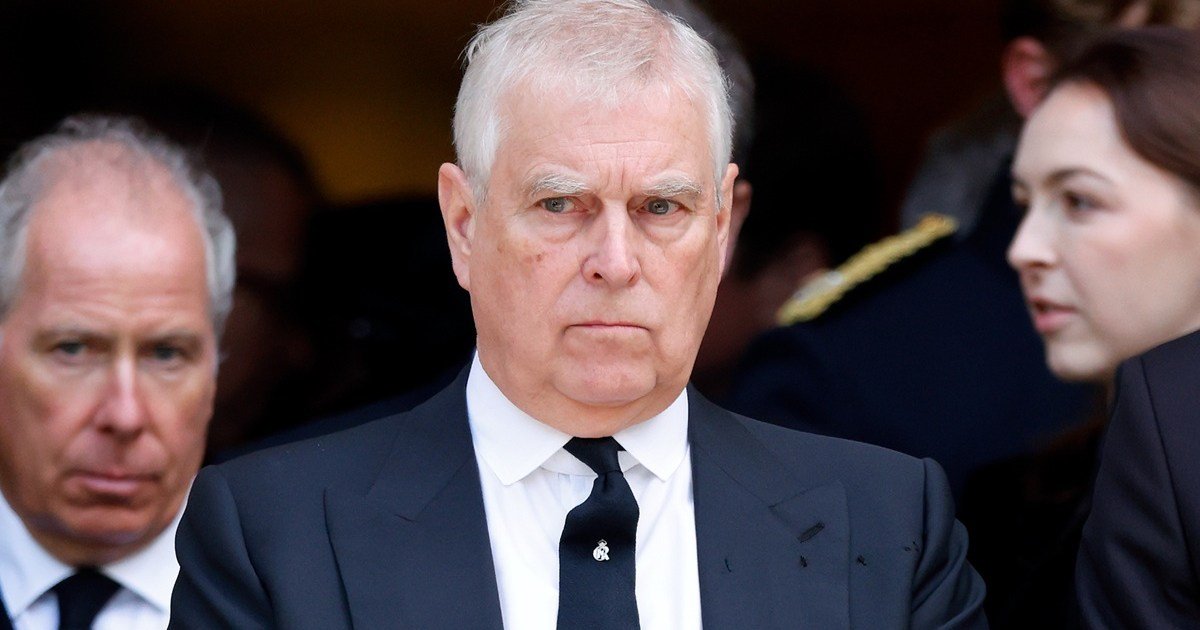
Fresh allegations have emerged regarding former prince andrewExpenses during his decade-long tenure as Britain’s trade envoy. Retired civil servants have claimed that taxpayers’ money was used to cover personal expenses, including so-called “massage services” during foreign trips. The claims, which date back more than 20 years, have reignited debate about oversight and accountability in publicly funded roles.
According to whistleblower former government officials who spoke BBCExpenses associated with alleged “massage services” during Andrew’s time as trade representative were approved despite internal objections.
A retired civil servant claimed that he had refused to authorize payment for such a request after a trip to the Middle East in the early 2000s. “I thought it was wrong… I said we shouldn’t be paying it,” he said. However, he alleged that he was later “overruled by senior staff” and the expenses were eventually covered.
Former official claims cost of former Prince Andrew’s ‘massage services’ were covered by taxpayers
The claims relate to Andrew’s role as the UK’s Special Representative for International Trade and Investment between 2001 and 2011. Although the position was unpaid, foreign travel, staffing assistance and related costs were funded through public funds.
A second former Whitehall official, who reportedly oversaw finances associated with business trips, told the BBC that he had “no doubt” that similar expenses existed. He further alleged that the expenses during some trips appeared excessive. He claimed that flights, hotel arrangements and entry costs often lack adequate scrutiny. Continuing, he said that approvals are often treated as a “rubber stamp” rather than a detailed review.
Both officials spoke anonymously and said they decided to come forward after hearing suggestions that no concerns had been raised internally at the time. The BBC reported that it had not seen direct evidence of massage-related payments. However, the publication confirmed that whistleblowers played roles close to the financial administration of the trips.
The allegations also have revived broader questions about oversight during Andrew’s tenure. A former trade official alleged that the then-prince was “viewed as a liability” and could sometimes obstruct diplomatic efforts. He claimed that teams prepared for the tour for months, but did not always get positive results.
Now there may be political pressure. MPs on the business and trade committee are expected to discuss whether to investigate how trade envoys were monitored in the past. Meanwhile, some lawmakers have called for a broader investigation into the accountability and spending practices associated with the role.